
For families in the final season of life
"No Funeral" Doesn't Have to Mean No Goodbye.
Someone you love may have asked for no funeral. You want to honor that. You also don't want their life to pass without a word. There is a path between a traditional service and silence, and we help you find it.
A few honest questions. A clear path. Built around the person you are saying goodbye to.
You're trying to do the right thing
It can feel like there are only two choices.
Maybe your mother or father said they didn't want a funeral. Maybe nobody said anything, and a traditional service just doesn't feel right for your family. Either way, it can feel like the only options are a funeral that doesn't fit, or nothing at all.
Most people who say they don't want a funeral are not asking to be forgotten. They simply don't want something formal, expensive, or uncomfortable. That is different from wanting their life to pass unmarked. The third option is a gathering built around real stories, real music, and the real life that was lived. Meaningful, personal, and true to them.
Why I built this
I heard the same story from hundreds of funeral homes.
I spent more than twenty years as a consultant to funeral home owners across the country. A family comes in after a loss and says, she told us she didn't want a funeral. The funeral home has nothing to offer them. A traditional service is the only thing on the menu. The family leaves with nothing planned and a quiet feeling that they let her down.
So we built a different kind of offering. Not a traditional funeral. A personal farewell, shaped around real stories, real music, and the life that was lived. Families loved it, because it let them honor their loved one's wishes and still gather to grieve.
But most families never reach a funeral home that offers this. They face that moment alone, with no guide and no clear path.
I know this from the family side too. I have lost five family members in the past ten years. I know what it is to decide while grief is still fresh. I know what it means to get the farewell right, and what it feels like to do nothing.
That is why Your Farewell Guide exists. Because when you lose someone you love, doing something matters.
How it works
From the question nobody wants to answer, to a farewell that fits.
Understand your role
In most families, one person carries the planning. The decisions, the conversations, the question nobody else wants to answer. We help you see what to handle, and in what order, so you are not just reacting.
Ask better questions
A meaningful farewell starts with knowing who this person really was. What stories need telling. What music, places, and people belong in the room. We walk you through them in the right order.
Create something meaningful
Bring people together and share the stories. At home, a park, a restaurant, a funeral home, or somewhere that mattered to them. It does not have to be elaborate. It just needs to happen.
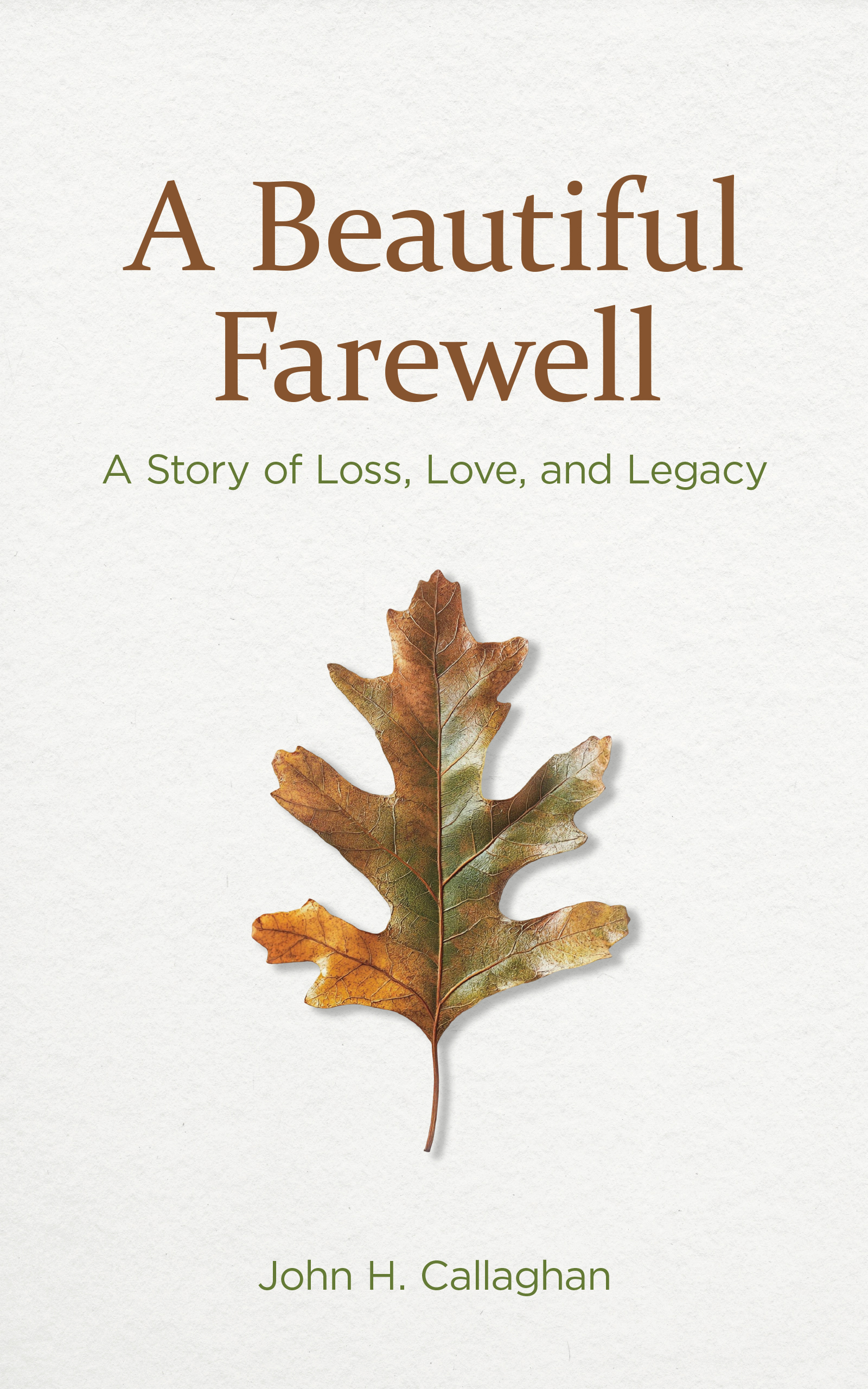
Read the story behind it
A Beautiful Farewell
It follows one family as they wrestle with uncertainty, expectation, and the quiet question many people carry. What are we supposed to do? It is not a manual. It does not prescribe a single way forward. It simply tells a story that may help you find your own.
Order on Amazon